
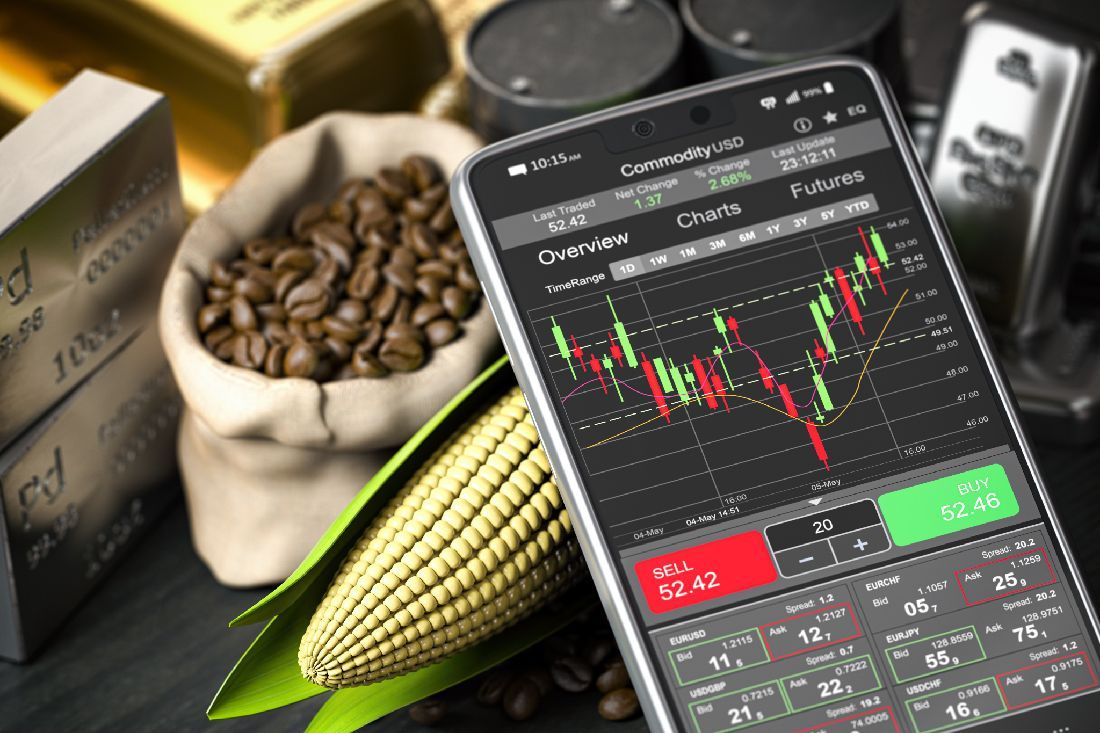
Commodities in 2025: A Sophisticated Perspective on Markets, Resources, and Strategic Investment

Commodities remain fundamental pillars of the global economy, providing the essential raw materials that fuel industries, trade, and innovation worldwide. As 2025 unfolds, the landscape of commodities continues to evolve, influenced by complex market forces, technological advancements, and sustainability imperatives. A deep and nuanced understanding of commodities is essential for investors, producers, and policymakers who wish to navigate this dynamic sector adeptly. This article offers a polished, comprehensive exploration of commodities, blending economic insight and refined analysis to illuminate their significance as both tangible resources and sophisticated financial instruments.
The Pillars of Commodities: Raw Materials Driving Global Commerce
Commodities are broadly classified into standardized physical goods that serve as foundational inputs across various sectors. Their inherent interchangeability ensures seamless integration into markets and value chains worldwide.
Primary Commodity Categories:
-
Energy Commodities: Crude oil, natural gas, coal, and rising renewable fuels undergird industrial activity and transportation networks.
-
Metals: Precious metals like gold and silver often act as safe-haven assets, while industrial metals such as copper, aluminum, and nickel are integral to manufacturing and technology.
-
Agricultural Commodities: Staples including wheat, corn, soybeans, coffee, sugar, and livestock sustain global populations and agricultural economies.
-
Specialty Commodities: Timber, rubber, and emerging bio-materials diversify commodity markets with specialized uses.
Unpacking Commodity Market Dynamics: Forces Behind Price Movements
The valuation of commodities is subject to a multifaceted interplay of supply-demand mechanics, geopolitical events, macroeconomic trends, and speculative activity. Recognizing these drivers is integral to informed participation.
Key Influencers on Commodity Pricing:
-
Supply Constraints: Disruptions from geopolitical tensions, climatic events, or logistical bottlenecks tighten availability, often triggering price surges.
-
Changing Demand Patterns: Economic expansion, technological development, and shifting consumption habits continuously reshape commodity needs.
-
Currency Fluctuations: Since commodities are primarily dollar-denominated, exchange rate movements affect purchasing power and trade flows globally.
-
Regulatory Frameworks: Trade tariffs, environmental policies, subsidies, and international agreements affect production costs and market access.
-
Financial Market Influence: Investor sentiment, speculative trading, and portfolio allocation towards commodities can amplify volatility independently of physical market conditions.
Strategic Commodity Investment Approaches in 2025
Commodities serve as valuable portfolio components, offering inflation protection, diversification, and exposure to real assets. However, investing successfully demands education, discipline, and an appreciation for specific market idiosyncrasies.
Notable Investment Channels:
-
Physical Commodities Ownership: Holding tangible assets entails considerations around storage, insurance, and logistics, typically suited for institutional investors.
-
Futures Contracts: These standardized agreements to buy or sell commodities at predetermined terms permit participants to hedge exposure or engage in speculative trading.
-
Commodity Exchange-Traded Funds (ETFs): These vehicles provide liquidity and accessible commodity baskets to individual investors without the need for physical handling.
-
Equity Investments: Purchasing shares of commodity producers or service companies adds corporate risk but indirect resource exposure.
-
Options and Derivatives: Instruments that grant strategic flexibility for hedging or speculative positioning while containing risk.
Navigating Risks in Commodity Markets: Strategies for Stability
Due to inherent volatility, successful commodity market engagement depends on robust risk controls and well-informed judgment.
Best Practices for Risk Management:
-
Diversification: Spreading investments across multiple commodities or correlated asset classes to reduce isolated risks.
-
Hedging: Employing futures, options, or swaps to mitigate downside exposure, especially for producers and consumers reliant on price stability.
-
Informed Market Analysis: Leveraging comprehensive fundamental and technical analysis enhanced by data science and geopolitical insights.
-
Liquidity Awareness: Selecting assets with sufficient market depth to ensure timely and cost-efficient trade execution.
-
Emotional Discipline: Upholding a methodical approach to avoid reactionary decisions amid price swings.
The Technological and Sustainability Shifts Shaping Commodities
Technological progress and environmental considerations are reshaping how commodities are explored, produced, traded, and invested in.
Technological Advances:
-
Improved Extraction and Processing: Innovations reduce environmental impact while boosting efficiency in mining and energy sectors.
-
Artificial Intelligence and Data Analytics: Enhance forecasting accuracy, supply chain management, and operational risk assessment.
-
Blockchain Technology: Increases transparency and traceability throughout commodity supply chains, enhancing trust.
-
Renewable Energy Metals: Demand for lithium, cobalt, rare earth elements, and other materials linked to the clean energy transition is rapidly rising.
Sustainability and ESG Impact:
-
Environmental, Social, and Governance (ESG) Criteria: Investor focus on ESG factors increasingly filters commodity exposure and corporate policies.
-
Green Commodities: Emerging markets for carbon credits, biofuels, and ethically sourced materials reflect evolving priorities.
-
Climate Adaptation: Both producers and investors are progressively integrating climate risk mitigation into supply and investment decisions.
Conclusion: Commodities as Dynamic Assets in a Complex Global Framework
In 2025, commodities are not merely raw materials—they are sophisticated components of the global economy and financial markets. Their price dynamics serve as barometers of economic health while presenting strategic opportunities and challenges for investors and stakeholders.
A refined approach to commodities blends disciplined risk management, thorough market understanding, and responsiveness to technological and sustainability trends. This perspective empowers participants to harness commodities as diversified assets and economic indicators, contributing to resilient and growth-oriented portfolios.
By mastering these dimensions, commodities transform from volatile raw goods into versatile, strategic tools—key to navigating the evolving landscape of global trade and investment with confidence and poise.

Comments are closed.